Over the years, we’ve repeatedly encountered confusion between the terms brand identity and brand strategy. Some businesses want a new logo, others want a new website, and some simply want people to like them more.
If we don’t understand the difference, it’s easy to invest time and money in the wrong direction. So, let’s break it down.
What is brand strategy?
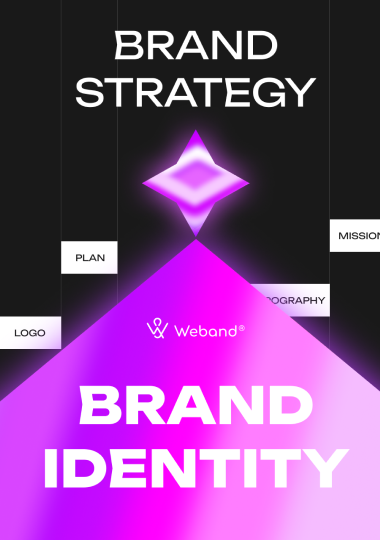
Brand strategy is the long-term plan for how we want our brand to be perceived and why it should exist in the first place.
It answers questions such as: Who are we? What problem do we solve? Who is our customer? What sets us apart from the competition? What values do we stand for?
It is the fundamental structure that everything else is built upon. Brand strategy isn’t something the customer sees directly, but they can feel it in every interaction they have with the brand.
What is brand identity?
Brand identity is everything we can see, hear, and touch - the logo, color palette, typography, photography style, tone of voice, packaging design, and even the way a brand’s social media profile looks.
In other words, if strategy is the personality of the brand, identity is its appearance and the way that personality behaves. It’s the tool that allows people to recognize a brand within seconds, even before they’ve read a single word.
What’s the difference between the two?
The easiest way to explain it is this: strategy answers the question “why,” while identity answers “what does that why look and sound like?”
Strategy is the plan and direction; identity is the visual and verbal expression.
Strategy is developed once and reviewed relatively rarely. Identity can be refreshed more frequently to keep the brand feeling fresh and relevant, without changing its essence.
The most common mistake we see is when a business updates its identity without first defining the strategy behind it. The result is a beautiful but impersonal brand. It looks good, but doesn’t communicate anything specific and doesn’t truly stand out from the competition.
First, we need to define who the company is and why it exists. Only then do we translate that story into visuals, colors, and words.
Why is it important to know the difference?
When we know what we actually need, we save money, time, and frustration. The strongest brands are those where the two work hand in hand - a solid strategy behind a beautiful and consistent identity.
Follow us on social media, where we share news, insights, and tips from the digital world.